
Ordinary Lives, Extraordinary Change:
How Everyday Visibility Is Quietly Winning the Fight for LGBTQIA+ Equality
From openly queer politicians and chart-topping same-gender love songs to married couples simply living their lives, normalization—not noise—is reshaping culture and offering real hope for the future.
{ Wil Darcangelo }
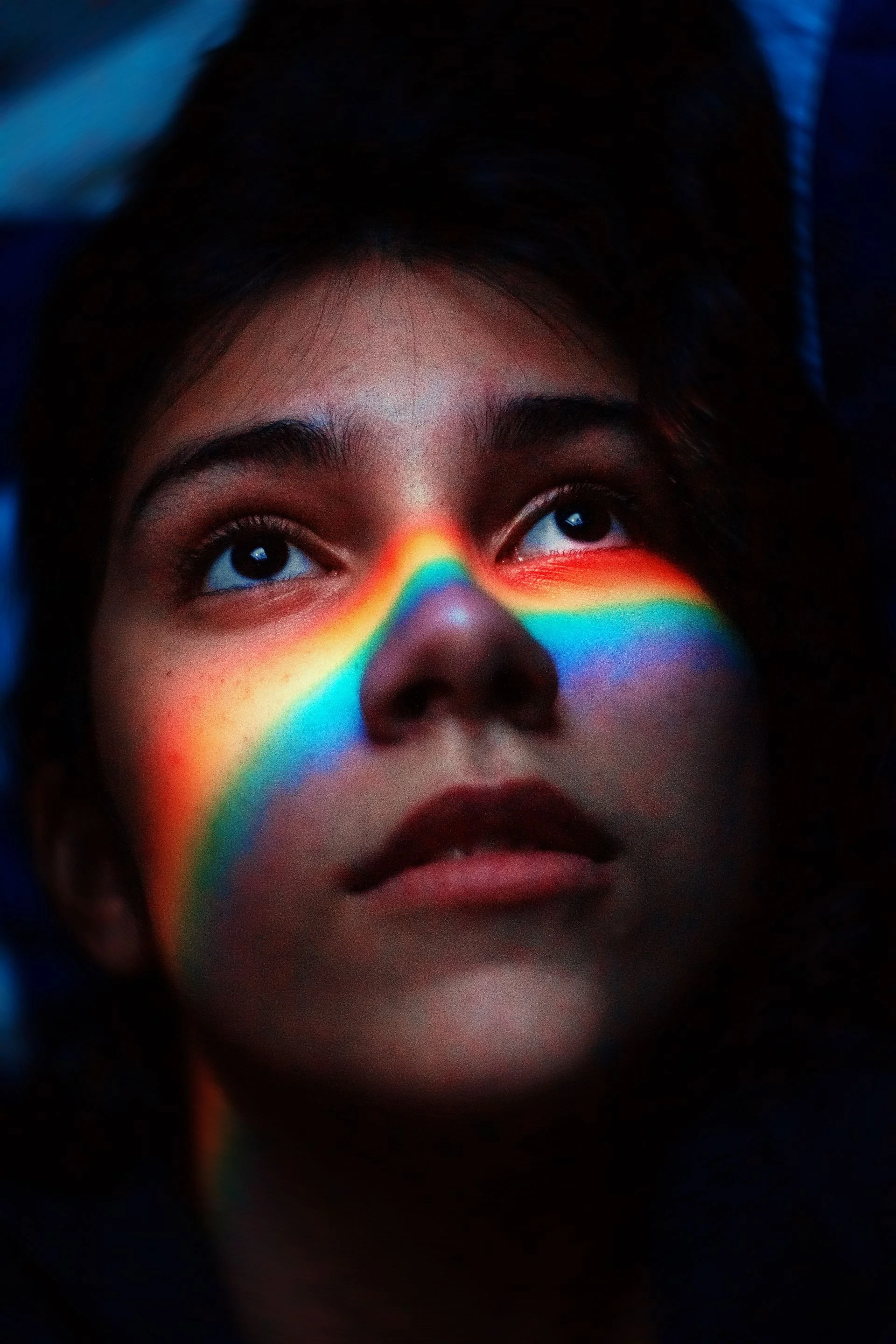
I AM A MARRIED gay man. Most days my life is wonderfully, gloriously ordinary. I wake up next to the person I love. We delay starting the day as long as we can. We worry about bills, celebrate small victories, text each other grocery lists, and try to remember where we left the car keys. There is nothing radical about any of this—at least not on the surface. And yet, in the cultural moment we are living through, this very ordinariness has become a quiet act of resistance.
There is a wave of legislation and rhetoric aimed squarely at LGBTQIA+ people, particularly our trans siblings. The headlines can feel relentless, like a drumbeat meant to exhaust us into invisibility. But what those headlines often miss is what is happening in the everyday spaces of real life. We are not disappearing. We are not retreating. We are showing up at work, at school board meetings, at family dinners, at weddings and funerals and neighborhood cookouts. We are living our lives out loud—not always loudly, but honestly. And honesty, sustained over time, changes culture.
Normalization is sometimes dismissed as assimilation, but that has never sat well with me. Normalization is simply the natural outcome of visibility paired with humanity. When a coworker mentions her wife in the same breath as weekend plans, or a trans dad cheers at his kid’s soccer game, or a nonbinary teen talks about college applications, the world is given another data point that contradicts the fear they’ve been handed. We become less of an abstract political talking point and more of what we have always been: just people.
One of the most visible signs of this shift is in politics. Openly gay and trans politicians are not only running for office—they are winning. They are being elected by communities who see their qualifications, their intelligence, and their commitment to public service as more important than who they love or how they identify. Representation in government does not magically solve injustice, but it does something profound: it alters the imagination of what is possible. A young queer person watching a campaign speech or a swearing-in ceremony is also watching their own future expand.
The arts tell a similar story. For decades, actors were warned that coming out would end their careers, especially if they wanted to play straight roles. The fear was that audiences would “no longer believe” them. Today, openly gay performers routinely portray straight characters—and audiences not only believe them, they cheer them on. The supposed barrier has eroded because people have grown accustomed to the truth that acting is about talent and craft, not personal biography. When an out actor leads a blockbuster film or a beloved television series, it quietly dismantles an old lie that authenticity and success cannot coexist.
Music, too, has become a powerful mirror of progress. Pop musicians are topping charts with love songs addressed to partners of the same gender, and listeners are singing along without hesitation. The pronouns are no longer coded or hidden; they are simply part of the lyric landscape. There is something revolutionary about hearing a same-gender love song playing in a grocery store or on a car radio in the middle of traffic. It signals that queer love is not niche or scandalous—it is relatable, hummable, and human.
On TV right this minute, a series about two gay hockey players—quite explicitly portrayed as well, I might add—is seeing record-breaking popularity among straight people. And not for laughs either. They’re actually drawn in the love story. The show’s popularity is credited with increasing NHL ticket sales by 40%. And, most notably, the NHL isn’t backing away from it. NHL Commissioner, Gary Bettman, has been vocal about his support, including the fact that he binged the whole series in one night.
What strikes me most is that much of this progress has not come from grand gestures but from cumulative presence. It is the neighbor who introduces his husband at the block party. The teacher who places a small rainbow sticker on her classroom door. The couple who holds hands at the farmer’s market without scanning the crowd first. These are not always safe acts everywhere, and it is important to acknowledge the courage they require. But each one chips away at the myth that we are rare, foreign, or threatening. We are none of those things. We are already woven into the social fabric.
Hope, for me, does not come from pretending that backlash does not exist. It clearly does. Hope comes from recognizing that backlash is often the last gasp extinction burst of a worldview losing its dominance. The louder the attempts to legislate us out of existence, the more obvious it becomes that we are, in fact, very much present. We are voting. We are creating art. We are raising families. We are serving in public office. We are loving each other in ways that are visible and, increasingly, unremarkable.
As a married gay man, I carry both gratitude and responsibility. Gratitude for those who fought when the cost was unimaginably high, and responsibility to continue that fight—not always with megaphones, but with persistence. Living openly, supporting one another, and refusing to shrink are forms of advocacy available to many of us every single day. Progress is rarely linear, but it is real. Culture is shifting not because we demanded to be seen as special, but because we insisted on being seen as fully human.
We are winning in ways that statistics alone cannot capture. We are winning in the normalization of love songs, in the election results that surprise cynics, in the casting decisions that would have been unthinkable a generation ago, and in the simple domestic rituals that unfold behind millions of front doors. The future is not guaranteed, but it is being shaped right now by ordinary queer lives lived with honesty and care. That is not a small thing. That is how change endures.