
{ Wil Darcangelo }
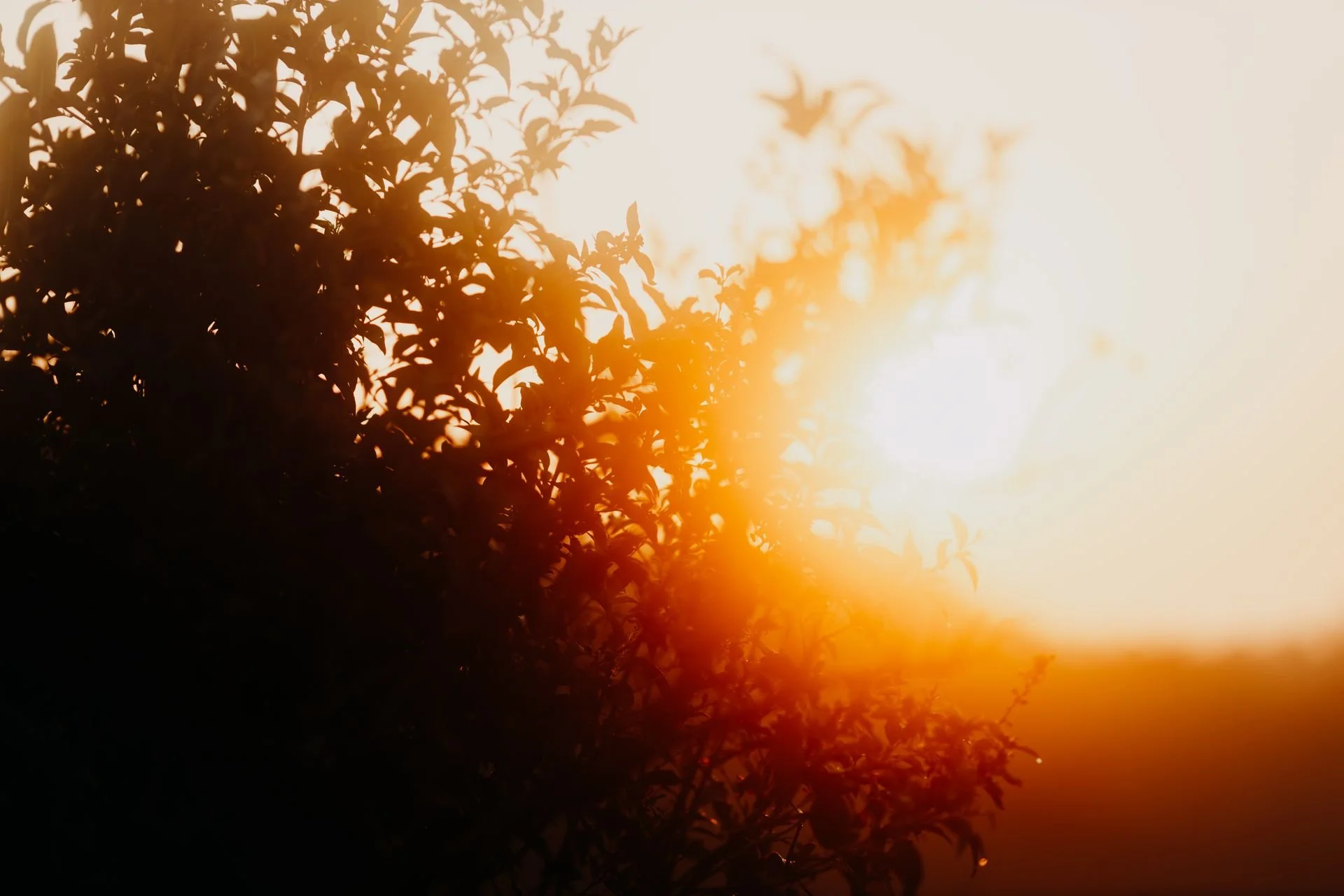
Every December, the Earth performs a small miracle that is almost impossible to see while it is happening. But simple rituals like these, drawn from the ancient ceremonies of our ancestors, remind us that light always returns.
Here in the Northern Hemisphere, we arrive at the winter solstice: the shortest day and longest night of the year. The sun travels its lowest path across our sky. Darkness seems to have won.
And then it turns.
Not dramatically. There is no sudden flood of daylight on December 22. The difference is measured initially in seconds of more light per day. You could easily miss it.
But the light has nevertheless begun its return.
I think there is something deeply resonant with the LGBTQ+ about that.
For us, darkness has always been a complicated metaphor. We know something about closets. We know something about hiding. We know about those periods in our lives when revealing ourselves did not yet feel safe.
But darkness isn’t necessarily our enemy. Darkness is often where real transformation happens.
Seeds germinate underground. Children develop in wombs. Caterpillars disappear into chrysalises. Human beings close their eyes when they dream. And sometimes a queer person spends years assembling an understanding of themselves before they are ready — or safe enough — to bring that glorious self into full daylight.
The closet may ultimately become a place we need to leave. But for some of us, it was also once a shelter. That’s why the winter solstice offers such an interesting spiritual metaphor for LGBTQ+ life.
The solstice doesn’t demand that darkness disappear. It simply announces that darkness does not get the final word.
There are moments in queer lives that function like solstices: the first time we privately admit something about ourselves. The first person we tell. The first time someone uses the name we have chosen for ourselves. The first time we hold someone’s hand without looking over our shoulder. Our first Pride. The first time we realize that the thing we had been taught to fear about ourselves might actually be beautiful.
These moments don’t necessarily transform our lives overnight. Sometimes almost nothing changes externally. But something has turned. And once the turning happens, even the smallest increase in light matters.
This feels especially important now, when many LGBTQ+ people — particularly transgender and gender-expansive people — are being asked once again to defend the legitimacy of their own existence.
There are moments in history when progress feels almost seasonal. We experience years of increasing visibility, acceptance and freedom, followed by periods when the cultural temperature suddenly changes. Rights we thought secure become debatable. Families fracture. Old prejudices acquire new vocabulary. People retreat into hiding because hiding has once again become safer. Winter returns.
But winter is not the same thing as death. And darkness is not evidence that the light has failed. The solstice reminds us that there is a difference between darkness and defeat.
Queer people understand something about long winters. We have survived criminalization, institutionalization, religious condemnation, family rejection, police raids, political scapegoating and an epidemic that devastated an entire generation while much of the world looked away. And still, we loved.
That may be one of the great spiritual inheritances of LGBTQ+ people: We have learned how to make light together. Not metaphorical light alone. Actual warmth.
These may be but small fires on their own. But human beings have survived even the most brutal of winters around small fires for a very long time.
Perhaps we need a ritual for this.
Imagine gathering on the longest night of the year in a room illuminated by only one candle. Around it sits a circle of LGBTQ+ people, families, friends and allies. Everyone receives two small pieces of paper.
On the first, we write something we are ready to leave with the darkness. Maybe shame. Fear. An old name. Someone else’s expectations. A rejection we have carried too long.
One by one, those papers are placed into a fireproof bowl and burned. Not because darkness is evil. Because darkness can compost things. It receives what we no longer need.
Then we sit quietly for a moment.
No rushing toward optimism. No pretending everything is fine. We simply acknowledge the longest night.
Then someone lights another candle from the first. And that person lights another. And another. Until the room begins slowly filling with light.
On the second piece of paper, everyone writes something they want to help bring into the world as the light returns: Courage. Safety. Joy. Gender freedom. Belonging. Justice. Friendship. Rest. Love.
Each person reads their word aloud and carries the paper home.
The ritual ends with a simple promise: The light does not return all at once. Neither does the world we are trying to create. We will help it return.
Because that may be the most important intersection between the winter solstice and queer experience. The solstice is not a celebration of daylight defeating darkness. It is a celebration of the turning itself.
For thousands of years, human beings have gathered near this moment to tell stories, kindle fires, feast, sing, pray and watch the horizon. They understood something we sometimes forget: There are times when hope is enormous and unmistakable. And there are other times when hope is measured in seconds of additional light.
Both are hope.
Queer people have lived through enough winters to know this. Sometimes survival itself is the turning. Sometimes telling one person the truth is the turning. Sometimes finding one another is the turning. Sometimes deciding that we will not disappear is the turning.
The longest night comes. We gather. We keep one another warm.
And somewhere beyond the horizon, almost too subtly to notice at first, the light begins to return.