
Amplifying LGBTQ+ Voices
{ Isabel Ravenna }
In 1776, Isaiah Thomas stood tall on the steps of Worcester’s meetinghouse and, for the first time, recited the words, “All men are created equal.”
249 years later, the White House is erasing LGBTQ+ freedoms by rolling back protections, mandating discrimination and weaponizing federal law against transgender people; but some cities are carrying that promise forward, defending the very equality first proclaimed on Worcester’s front porch. The city saw this moment — when inclusion can no longer be assumed — as the right time to establish its first-ever LGBTQ+ Affairs Commission.
The seven-member advisory committee has yet to meet, but if there’s one throughline, it’s their collective mission to “Encourage, promote and monitor policies and practices in the City to ensure that LGBTQ+ communities enjoy the equal protection of the law, equal access to all public services and the full enjoyment and exercise of their civil rights.
Among the members is Doug Arbetters, a Worcester native who once interned for Rep. Jim McGovern, ran in multiple local elections — including school committee and city council — and later chaired the city’s Community Development Advisory Committee. He sees his new post as a natural continuation of a lifetime of service.
“Worcester has always been a very welcoming place,” Arbetters told CM Pride. “But I think particularly at the national level, there are many [LGBTQ+] groups being attacked. And I think now more than ever, we need to have institutions at the local level that are really dedicated to fighting for those groups, and having public conversations amplifying voices in ways that can affect policy and protect them locally.”
Bringing a background in policy, Arbetters is looking forward to linking his work with broader civic planning and making formal recommendations to the city council to adopt policies.
For fellow commissioner Tasia Cerezo, community work is muscle memory. A former AmeriCorps member who’s spent years in higher-ed community engagement — a decade of foster parenting who has adopted three children — she says the commission must be “more than symbolic.”
“You have to meet people where they are,” Cerezo told CM Pride. Everyone should have an opportunity to be heard — but we’re beyond symbolic gestures. There are direct, immediate steps we can take to ensure safety for LGBTQ+ people, especially youth in our schools.”
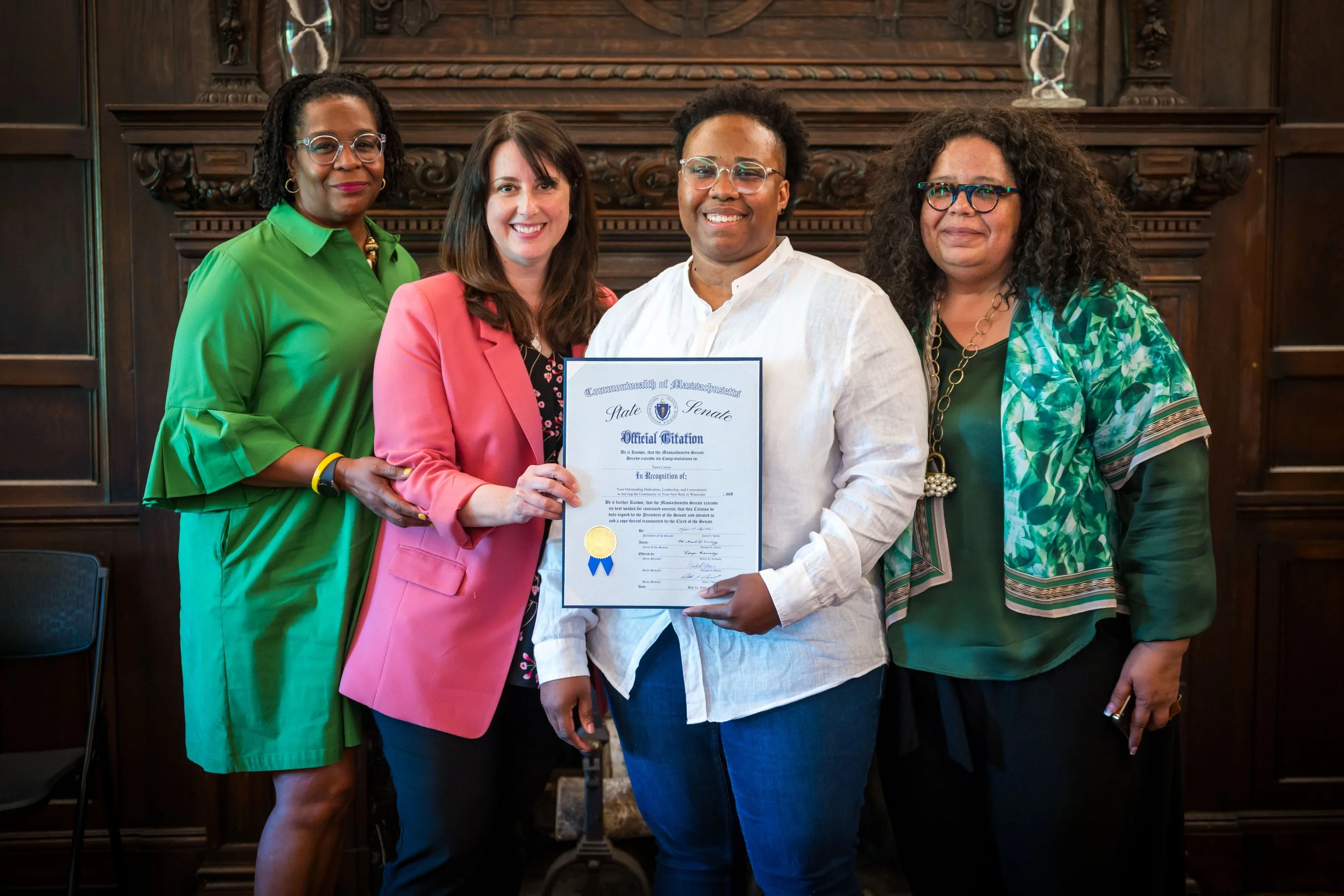
Cerezo stresses representation without presumption: “No one board speaks for an entire community. Our job is to engage voices and translate what we hear into action.” With Worcester’s transgender sanctuary-city stance as a starting point, she adds, “We’ve taken a stand on paper; now we need to put it into action.”
As for 67-year-old Marco Guinette — a local figure best-known for owning Worcester’s oldest gay bar, MB Lounge — he’s thinks it’s the perfect time to establish this committee, particularly because of pressure from the national level.
“Choosing sides [in politics] is just not a good thing for my business,” he said. “But the side I am on is the LGBT side… As for being on this committee, I think I need to serve and I need to support everybody because that’s what it’s all for.”
Guinette may veer away from politics in order to keep things light inside his venue, but after a life of holding space for others like him, the queer struggle for equality is not lost on him.
“My father was homophobic,” he said. “My brother was- let me put it this way — my brother was also gay and very effeminate, so I’ve been fighting for gay people since I was 15 years old because as he got picked on in school, I would always be the one to stand up and defend him.”
At the time, Guinette wasn’t old enough for a driver’s license, but since he wasn’t welcome at home, he had to find his way — and never stopped fighting for his community, with this commission as a chance to represent it more effectively.
Wendy Essery, the Library and Archive Manager at the Historical Museum, noticed a pattern of short shelf lives for LGBTQ+ community spaces in Worcester — particularly those catered toward lesbians. With locals like her in mind, Arbetters plans to expand and support LGBTQ-owned businesses in the city.
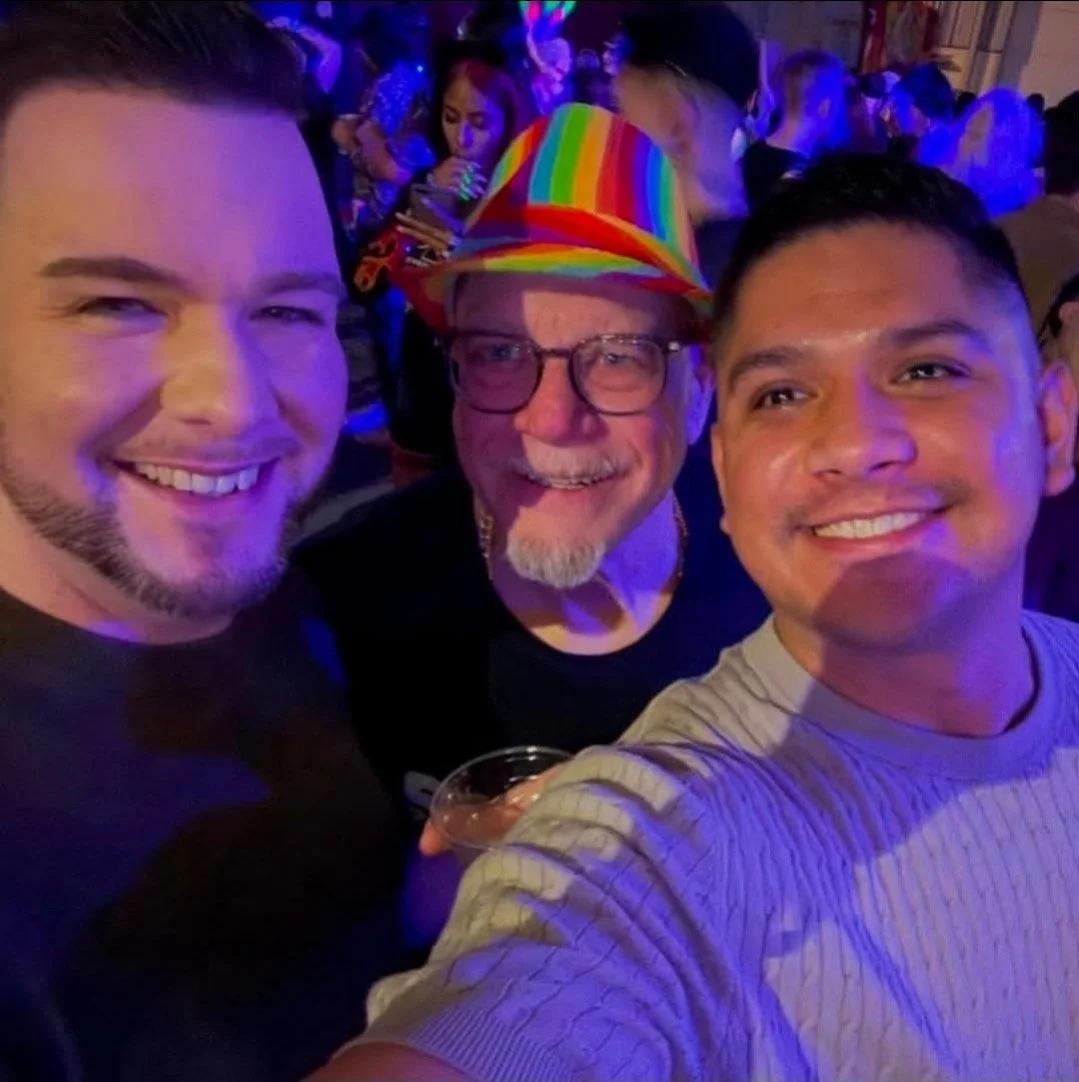
“There have been some conversations from folks I’ve heard about wanting, you know — we don’t have a gayborhood — or some kind of LGBT district in the city,” Arbetters said. “I’m really excited to kind of amplify those conversations.
As Worcester writes the next chapter of its queer history, the new LGBTQ+ Affairs Commission offers something rare: not just a seat at the table, but a chance to build the table itself.